
Searching for used tractors for sale UK listings can throw up hundreds of options, from tired yard tractors to nearly new machines with low hours. A good used tractor can give you years of work for far less than a new one, but a bad one can drain your budget in repairs.
This guide walks you through the checks that matter when you compare used tractors for sale UK sellers advertise, the questions to ask, and the differences between buying from a dealer and buying at auction. Use it as a checklist on your next viewing.
Why buy used tractors for sale UK rather than new?
The main reason is value. A tractor loses much of its value in the first few years, so a used machine lets someone else absorb that depreciation. You can often buy more horsepower or a better specification for the same money.
Used tractors also make sense as a second or third machine for loader work, hedge cutting, feeding or light cultivation. The trade-off is risk. You need to know what you are buying, and that is where careful checks come in.
Compact and smaller tractors
If you only need a small machine for paddocks, smallholdings or grounds care, the same rules apply to used compact tractors for sale UK sellers list. Check the hydrostatic drive or gearbox, the loader mounts and the PTO. Compact tractors often do hard, slow work, so low hours do not always mean light use.
9 checks for used tractors for sale UK buyers
Work through these in order on any of the used tractors for sale UK sellers put in front of you. Take your time, and bring someone who knows tractors if you can.
- Hours and age. Compare the hour meter with the age of the tractor and the service record. Look for signs of a replaced or faulty meter, such as worn pedals and seats on a low-hour machine.
- Service history. Ask for invoices or a stamped book. Regular oil, filter and hydraulic fluid changes matter more than the headline hours.
- Engine. Start it from cold. Watch for heavy smoke, listen for knocks, and check for oil in the coolant or coolant in the oil. Look for leaks around the head and sump.
- Transmission and clutch. Drive it through every gear and range, including shuttle changes. Slipping, crunching or delayed engagement can mean expensive work.
- Hydraulics. Lift a heavy implement or loaded loader and hold it. It should not drift down. Check the spool valves, pipes and hoses for leaks and damage.
- PTO. Engage the power take-off under load if possible. Listen for noise and check the shaft splines and guard.
- Linkage and drawbar. Look for worn pins, bushes and ball ends, and cracked or welded brackets.
- Tyres. Check tread depth, cracking and whether the front and rear tyres are matched. A full set of new tyres is a major cost.
- Cab and electrics. Test lights, wipers, heater, air conditioning, gauges and any displays. Check door seals, glass and the seat.
Engine, emissions and paperwork
Many of the newer used tractors for sale UK farmers see today are built to tighter emissions rules than older machines. Recent models carry exhaust after-treatment such as diesel particulate filters, AdBlue (DEF) systems and catalytic converters. These work well when maintained, but faults can be costly, so ask whether they have been serviced and whether any warning lights have appeared.
Older, simpler tractors avoid that complexity, but parts may be harder to find. Weigh up which matters more to you: modern efficiency and comfort, or mechanical simplicity.
Paperwork to check
- Proof of ownership and a matching serial or chassis number
- Registration documents if the tractor is road registered
- Confirmation that there is no outstanding finance
- Service records and any warranty paperwork
- A record of major repairs, such as clutch or engine work
Dealer vs auction: where to buy used tractors
Auctions and private sales can offer low prices, but you usually buy as seen. You may get only a short look at the machine, it may not be possible to test it under load, and there is little comeback if something fails a week later.
Buying from established used tractor dealers costs a little more, but you are paying for reduced risk. Conagri’s inspected used equipment is quality checked so it is ready to work, and new listings are added regularly. If the machine you need is not listed, the team can source it through a wide supplier network. Delivery is available across the UK and internationally.
When comparing used tractors for sale UK dealers offer, ask what has been checked, what has been replaced, and what support comes after the sale.
Considering a newer tractor instead
Sometimes the gap between an older used tractor and a newer machine is smaller than you expect, especially once you factor in repairs and downtime. It is worth comparing the two before you decide.
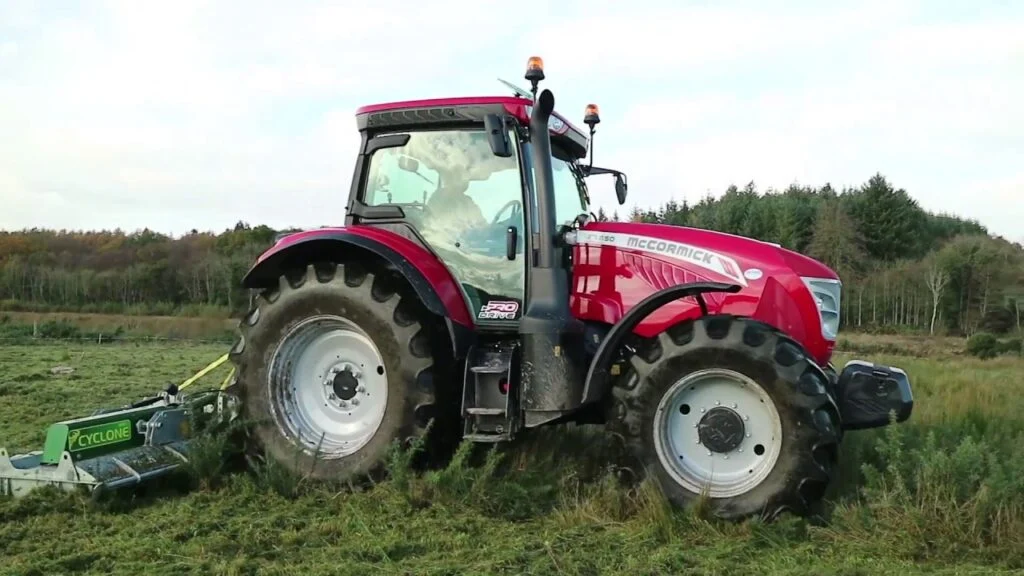
McCormick tractors, built by Argo Tractors in Italy, cover 49 to 310 HP. All are Stage V emissions compliant and GPS-ready, with 1,000-hour service intervals. A tractor with long service intervals and dealer support can lower your running costs over its working life.
Finance, parts and servicing after you buy
Most used tractors for sale UK dealers advertise can be bought outright or on finance, but either way, budget for more than the purchase price. Set aside money for an initial service, any tyres or wear items flagged during inspection, and insurance.
Equipment finance through specialist partners, including hire purchase and leasing, is available on used machines. It lets you spread the cost and keep cash free for the rest of the business.
Once the tractor is home, keep it working with a planned maintenance schedule. Conagri’s service and maintenance team offers 24/7 support, on-site repairs and preventative servicing, and the parts sourcing service covers PTO shafts, belts, bearings, hoses and filters for the equipment it supplies and many other brands.
Staying safe with an older tractor
Whichever of the used tractors for sale UK sellers offer you choose, it still has to be safe to use. Check that the roll-over protection, seat belt, PTO guards, mirrors and lights are all in place and working. Agriculture has one of the highest fatal injury rates of any UK industry, and tractors and vehicles are a major factor. The HSE’s agriculture health and safety guidance is a useful reference for safe use and maintenance.
Finding the right used tractor for your farm
The best used tractors for sale UK buyers can find are the ones with a clear history, sound mechanics and a seller who stands behind them. Take your time, follow the checklist, and do not be rushed by a low price.
If you are looking for a used tractor, or want to compare it against a new McCormick, talk to the Conagri team. Send us an enquiry, call +44 (0)1392 984258, or visit us at Burston Lane, Crediton, and we will help you find a machine that suits your work and budget.
Frequently asked questions
What should I check when buying used tractors for sale UK?
Check the hour meter against the service history, then look at the engine, gearbox, hydraulics, PTO, linkage, tyres, cab and electrics. Start the tractor from cold, watch for smoke, listen for knocks, and test every function under load. Confirm ownership, serial numbers and that there is no outstanding finance before you pay.
How many hours is too many on a used tractor?
There is no fixed limit. A well-serviced tractor with high hours can be a better buy than a neglected one with low hours. Judge hours against the age of the machine, the work it has done and the maintenance record. Loader work, contracting and road haulage all wear a tractor differently.
Is it better to buy a used tractor from a dealer or at auction?
Auctions can offer lower prices, but you usually buy as seen, with limited time to inspect and little comeback. A dealer can provide an inspected machine, service backup, parts and finance. Many buyers find the extra cost of a dealer is offset by lower risk and fewer surprises after delivery.
Can I get finance on a used tractor?
Yes. Finance is available on used machines from Conagri through specialist partners. Hire purchase and leasing let you spread the cost and keep working capital free. The right option depends on your business, tax position and how long you plan to keep the tractor, so it is worth talking it through first.