
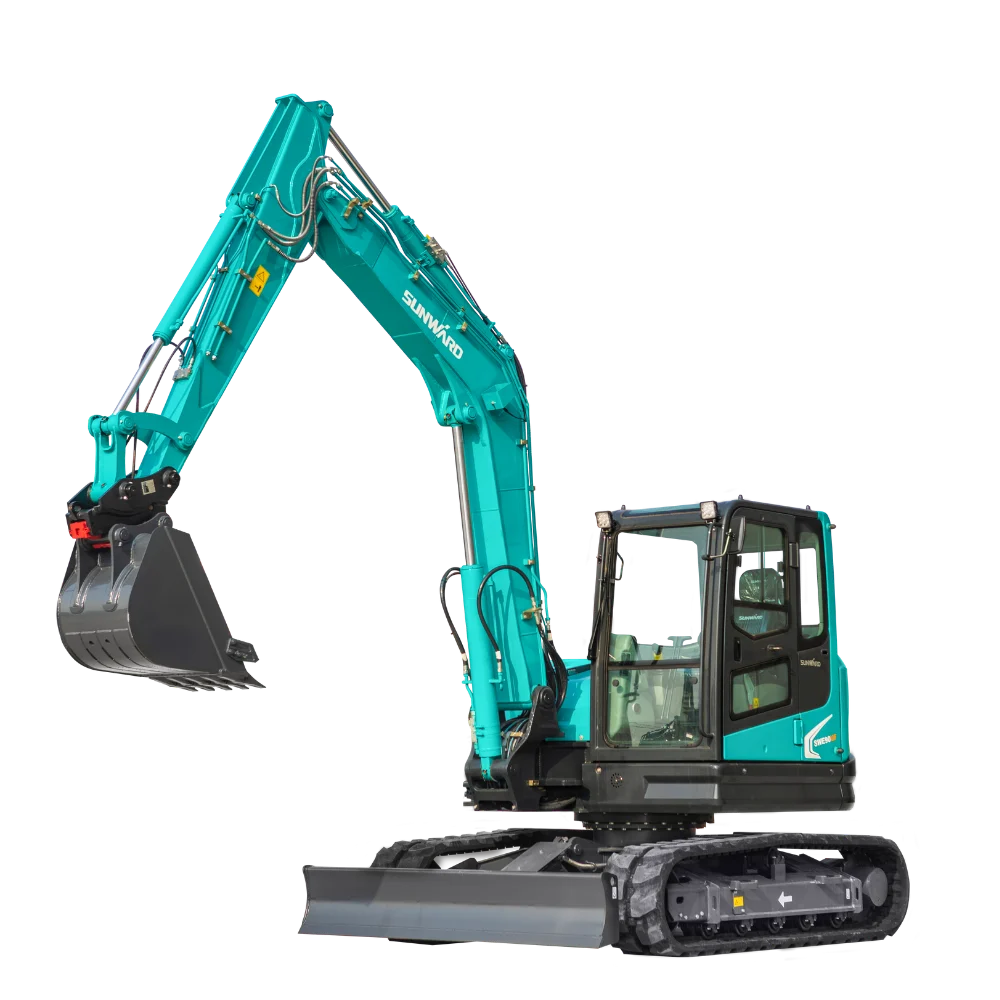
The right excavator attachments turn a digger from a hole-making machine into a tool that can break, lift, sort, crush and clear. For many owners, attachments are the cheapest way to win more work and keep a machine busy every week of the year.
This guide covers the attachments that earn their keep on most sites, from buckets and grabs to breakers and crusher buckets, and explains how to match them to your carrier and fit them safely.
Why excavator attachments matter
An excavator’s hourly cost is much the same whatever is on the end of the dipper. What changes is the output. A grab can sort and load material that a bucket would struggle with, and a breaker can take out concrete that would otherwise need a separate crew.
Before you buy, check three things: the operating weight of your machine, its hitch type and its auxiliary hydraulic flow and pressure. Every attachment has a recommended carrier range, and working outside it risks poor performance or damage.
8 essential excavator attachments
1. Digging and trenching buckets
A general-purpose digging bucket with good teeth does most of the work on any site. Narrow trenching buckets suit drainage and services, and a wide grading or ditching bucket speeds up levelling, landscaping and ditch cleaning.
2. Tilt and grading buckets
A tilting bucket lets you shape banks, cut falls and dress batters without constantly repositioning the machine. It saves time on landscaping and groundworks where finish matters, and often reduces the need for hand raking afterwards.
3. Grabs and rotating grapples
Grabs handle logs, rock, demolition waste and scrap. A rotating grapple lets you place material precisely without moving the tracks. CMP attachments, including the Hydra rotating grapple, are built for excavators, skid steers, tractors and loaders and used across landscaping, forestry, utilities and construction.
4. Hydraulic breakers
A breaker removes concrete, rock and old foundations far faster than hand tools and keeps operators away from vibrating handheld equipment. HPV Vistarini hydraulic breakers are made in northern Italy and fit excavators from 0.5 to 40 tonnes.
5. Augers
An auger drills clean holes for fence posts, piles, tree planting and signage. Choose the drive unit to suit your machine’s hydraulic flow and the bit diameter to suit the job. Rock and heavy clay need a stronger drive and hard-faced teeth, while light soils drill quickly with a standard bit.
6. Crusher and screening buckets
A crusher bucket breaks down concrete, brick and stone on site so you can reuse it as hardcore, while a screening bucket separates soil and aggregate by size. CM crusher and screening buckets cover excavators from 7 to 45 tonnes with output sizes from 10 to 140mm, cutting transport and disposal costs.
7. Rakes and site clearance tools
Rakes clear brash, roots and stones from land and sort debris without picking up soil. They are invaluable on land clearance and site preparation jobs.
8. Multi-purpose hydraulic tools
Sweepers, mixing buckets, forks and blades add further versatility. GF Gordini hydraulic attachments include backhoes, sweepers, mixing buckets, forks and blades for construction, road maintenance, landscaping and snow clearance, all made in Italy.
Mini excavator attachments
Smaller machines benefit even more from a good set of tools, because they often work alone on domestic, landscaping and utility jobs. Popular mini excavator attachments include narrow trenching buckets, a grading bucket, a small breaker, an auger and a grab.
Check the weight of each tool against your machine. A heavy attachment on a small carrier reduces stability and reach, so follow the manufacturer’s carrier range. If you are choosing a new machine, the Sunward excavator range covers compact and larger models, and it is worth planning the attachments at the same time.
Quick hitches and safe changeovers
A quick hitch lets the operator swap tools in minutes, which is what makes a wide attachment range practical. It also brings risk: a bucket that is not properly locked can fall from the machine.
- Use a hitch that is compatible with every attachment you own.
- Follow the manufacturer’s procedure for every changeover.
- Check visually that the locking mechanism is fully engaged.
- Carry out a test by curling the attachment and pressing it against the ground before work.
- Keep everyone out of the area under and around the attachment during changeovers.
- Inspect pins, bushes and safety devices as part of daily checks.
Attachments are work equipment, so the PUWER regulations apply: they must be suitable, maintained and used by trained people. If you use a grab or forks for lifting, lifting rules may apply too.
Buying excavator attachments UK: what to check
With so much choice of excavator attachments UK-wide, a short checklist keeps the decision simple.
- Carrier weight range and hitch or pin dimensions
- Hydraulic flow and pressure for powered tools such as breakers and augers
- Build quality, steel grade and wear parts
- Availability of teeth, cutting edges and spares
- Local service support and warranty handling
It also pays to think about which tools would let you take on new types of work, not just do existing jobs faster. A crusher bucket, for example, can open up recycling and site clearance work, while a rotating grab can lead to forestry and land management contracts. Ask for a demonstration on your own machine where possible, so you can judge the fit and the speed for yourself.
Looking after your excavator attachments
Well-maintained excavator attachments last longer, work faster and are safer to use. Most wear happens in predictable places, so a few minutes of checks each day pays for itself.
- Grease pivot pins and bushes at the intervals the manufacturer sets.
- Replace bucket teeth and cutting edges before they wear into the bucket shell.
- Check hoses and couplings on powered tools for leaks, chafing and damage.
- Keep breaker tools greased and never fire a breaker without pressure on the tool.
- Store attachments off the ground, with hydraulic couplers capped to keep dirt out.
Keep a simple record of hours and repairs for each tool. It helps you spot one that is costing more than it earns and plan replacements before a breakdown stops a job.
Choosing the right excavator attachments
Start with the jobs you do most and the work you would like to win, then match each tool to your machine’s weight and hydraulics. A good bucket set, a grab and a breaker cover most sites, with crusher buckets and specialist tools adding value as your work grows.
Conagri supplies CMP, CM, GF Gordini and HPV Vistarini with full sales, service and parts support. Call +44 (0)1392 984258 or contact our team to discuss the right attachments for your machine.
Frequently asked questions
What are the most useful excavator attachments?
For most owners, a general digging bucket, a narrow trenching bucket, a grading bucket, a grab and a hydraulic breaker cover the majority of work. Augers, rakes, crusher buckets and screening buckets add value for fencing, land clearance and recycling jobs. Match every attachment to your machine’s weight and hydraulic flow.
What does a crusher bucket do?
A crusher bucket fits on an excavator and crushes concrete, brick and stone on site into reusable aggregate. This cuts the cost of hauling waste away and buying in new hardcore. CM crusher buckets, for example, suit excavators from 7 to 45 tonnes with output sizes from 10 to 140mm.
Do excavator attachments fit any machine?
No. Each attachment has a recommended carrier weight range and needs the right hitch or pin size. Powered tools such as breakers and augers also need suitable hydraulic flow and pressure. Check the manufacturer’s specification for both the machine and the attachment before buying.
How do I change excavator attachments safely?
Follow the hitch manufacturer’s procedure, check that the locking mechanism is fully engaged, and test the attachment by pressing it against the ground before starting work. Keep people clear of the attachment during changeovers and inspect pins and safety devices daily.